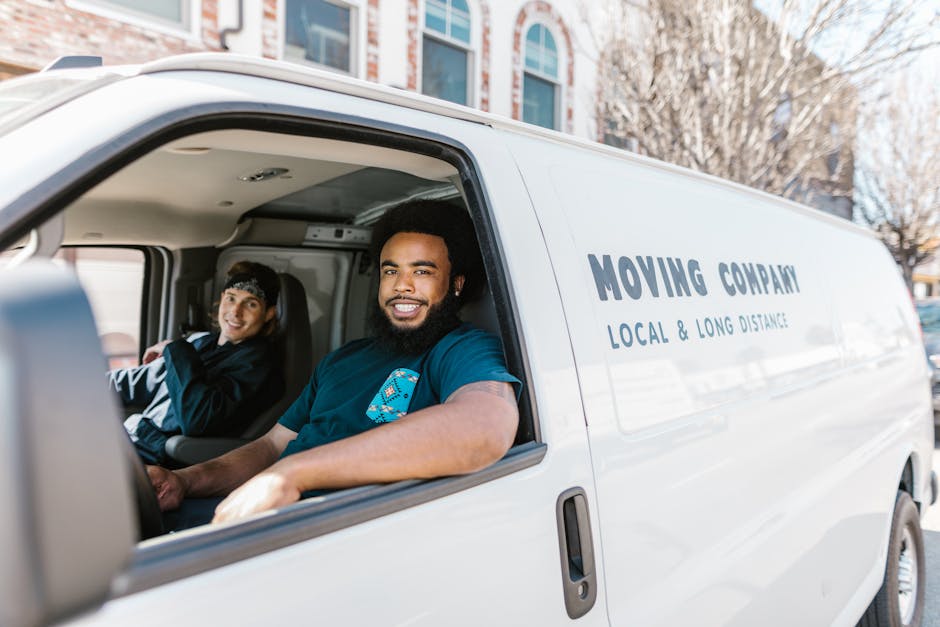
Normansfield area man and van tips for historic homes

Moving in or out of a historic home is never quite the same as moving a newer property. In the Normansfield area, older houses often come with narrow entrances, awkward stairs, delicate plasterwork, original floors, and the kind of quirks that make a move feel a bit more delicate than usual. That is exactly why Normansfield area man and van tips for historic homes matter: they help you move efficiently without damaging the building, the furniture, or your nerves.
Truth be told, historic homes reward careful planning. A rushed move can leave you with scratched bannisters, chipped tiles, or a sofa wedged halfway through a door frame. This guide walks you through what to expect, how to plan, and how a local man and van approach can work well in homes where every doorway seems to have a story. You will also find a checklist, a comparison table, and practical advice you can actually use on moving day.
Why Normansfield area man and van tips for historic homes Matters
Historic homes are beautiful, but they are rarely forgiving. A modern flat might have wide hallways, lift access, and sturdy painted walls. An older property in the Normansfield area may have tighter turns, steeper stairs, original woodwork, and flooring that marks if you look at it the wrong way. That is why moving advice for these homes has to be different.
The main issue is not just size. It is sensitivity. Older materials can be brittle, finishes can be uneven, and the layout may not suit standard moving patterns. Even a small mistake, like dragging a box down a hallway without enough protection, can create damage that is expensive and annoying to repair. And to be fair, nobody wants to spend the first week in a new home apologising to the floorboards.
For many local moves, a well-organised man and van service is the sweet spot. It can be flexible enough for tricky access, efficient enough for short-distance transport, and practical enough for smaller loads or mixed items. The key is using the service properly, with the property's age and condition in mind.
Expert summary: Historic-home moves work best when you treat access, protection, and timing as part of the job, not afterthoughts. Measure first, protect surfaces early, and keep the load plan simple.
How Normansfield area man and van tips for historic homes Works
At a practical level, the move usually follows a simple pattern: assess the property, plan the route, pack with care, load in the right order, and unload with equal caution. The difference with a historic home is that each of those steps needs more thought.
A local mover or a small van team will typically be best when access is tight or when the job needs flexibility. For example, if a large removal lorry would struggle on a narrow road or if the property has low ceilings, a smaller van can make the whole process far less stressful. You may need a second trip, yes. But that can still be better than forcing a larger vehicle into a space it should never have entered in the first place.
Good planning usually starts with a walkthrough. That might sound obvious, but in older buildings it makes a real difference. Look at the front steps, the width of the doorways, any awkward landings, and where the van can park without blocking neighbours or causing unnecessary hassle. If parking is limited, the route from van to door matters almost as much as the route from one property to another.
If you need packing support, combining the move with packing and boxes or broader packing and unpacking services can help reduce errors. A box that is neatly sealed and clearly labelled is much less likely to be dropped, tipped, or opened at the wrong moment. Simple, but effective.
Key Benefits and Practical Advantages
The biggest benefit of using a careful man and van approach for historic homes is damage control. That may sound dull, but it is the whole game. When a move is handled slowly and logically, you reduce the chance of scratches, scuffs, breakages, and those awkward moments where a corner of furniture meets an old door frame and loses.
There are other advantages too:
- Better access management: Smaller vehicles are often easier to position near older homes with tighter streets or parking restrictions.
- More flexible timing: A local move can often be arranged around access windows, resident permits, or building rules.
- Less handling chaos: Shorter carry distances and a tidy loading plan reduce the risk of accidents.
- Lower stress: Smaller, focused moves can feel calmer than a full-scale removal operation.
- More control over fragile items: Antiques, framed art, mirrors, lamps, and older furniture can be managed with a little extra attention.
There is also a subtle but important benefit: you tend to notice problems earlier. A good mover will spot that a wardrobe will not clear the stair bend before lifting begins. That tiny pause can save a lot of regret. And let's face it, regret is expensive when it has a repair invoice attached.
For homes with mixed contents, combining transport with furniture removals or home moves can give you a cleaner plan than booking random help and hoping for the best.
Who This Is For and When It Makes Sense
This guidance is especially useful if you are moving from, into, or between historic or character properties in the Normansfield area. That includes period terraces, older cottages, converted buildings, and homes with original internal features that you would rather not test against the side of a wardrobe.
It tends to make sense for:
- homeowners moving furniture into an older property
- tenants clearing a listed or character flat
- people relocating antiques, pianos, or inherited furniture
- small households that do not need a full removal lorry
- anyone facing narrow hallways, staircases, or restricted parking
If you are moving just a few bulky items, a tailored man and van service may be more sensible than a larger removal package. If, however, the property contains a lot of fragile or unusually heavy furniture, you may want to think beyond transport alone and consider a fuller service like removal services.
One local reality worth mentioning: in older neighbourhoods, access can change quickly. A parked car, a delivery van, or even a neighbour's bin placement can turn a simple loading plan into a puzzle. That is normal. It just means you need a bit of slack in the schedule.
Step-by-Step Guidance
Below is a practical, no-fuss way to organise a move in a historic home without overcomplicating it. No fancy jargon. Just the stuff that works.
- Walk the route before move day. Measure door widths, stair turns, hallway bends, and any tight corners. If a sofa or bed frame barely fits, assume it will be harder on the day.
- Check parking and vehicle access. Make sure the van can stop close enough to reduce carrying distance. In historic streets, that can be the difference between a tidy move and a messy one.
- Protect the building first. Put down floor coverings, cardboard runners, blankets, or other surface protection before anything heavy starts moving.
- Pack by fragility and weight. Heavy items should go in smaller boxes. Delicate items should be wrapped properly and marked clearly.
- Separate valuables and essentials. Keep important documents, keys, chargers, medications, and one night's basics in a separate bag you can reach quickly.
- Load in the right order. Put heavier, sturdier pieces in first and keep fragile boxes safe from crushing.
- Move one awkward item at a time. Large historic-home moves are not the place for improvisation and optimism. Funny, but not funny.
- Unpack with the property in mind. Avoid dragging things across original floors. Lift, carry, place gently. Old homes notice these things.
A useful habit is to do a final room-by-room sweep before the van leaves. People always forget one last lamp, a rail of coats, or a drawer full of tiny things. It happens to everyone.
If you know there are particularly awkward items, such as a heavy mirror, a dining table, or a narrow staircase move, it may be worth reviewing specialised options like piano removals for precision handling ideas, even if you are not moving a piano itself. The same careful logic applies.
Expert Tips for Better Results
Here is where the little details make a real difference. In our experience, most damage during older-home moves does not come from one dramatic mistake. It comes from ten small ones: rushed corners, boxes stacked too high, someone guessing the width of a doorway, or a blanket slipping just when you need it most.
Use soft protection, not just strong hands
Gloves help. So do lifting straps if used correctly. But protection for the building matters too. Blankets, felt pads, tape that will not leave residue, and corner guards can save a lot of grief. If the home has painted bannisters, add extra padding on bends and pinch points.
Keep the heaviest items low and simple
It is tempting to fill every box to the top. That is how people end up with boxes that are just plain awkward. Heavy objects should be split into manageable loads. A box that is too heavy is far more likely to be dropped on stairs.
Respect the weather
A damp day changes everything. Wet shoes, slippery paving, and heavier blankets are all part of the equation. If you are moving early in the morning, the steps and drive may still be slick. A little extra caution goes a long way.
Ask about load planning, not just transport
Anyone can say they have a van. The useful question is whether they understand loading order, access issues, and how to avoid scraping older finishes. That is the difference between a basic lift and a careful move.
Build a time buffer
Historic homes rarely cooperate with exact timing. A key can go missing, a wardrobe may need to be turned, or a hallway may need another look. Build in breathing room. It makes the day feel calmer, and that calm is worth something.
If you are trying to save time, a good way to do it is to declutter first. A lighter load is easier on both the van and the house. A practical prep article like declutter like a pro before you shift homes can be useful if you are deciding what really needs to come with you.
Common Mistakes to Avoid
Historic-home moves are usually lost in the details. Here are the mistakes that most often create avoidable headaches.
- Skipping measurements: Guessing whether a wardrobe will fit through a stair turn is not a strategy.
- Not protecting floors early: By the time you notice a scuff, it is already too late.
- Overfilling boxes: Heavy boxes are harder to carry and more likely to fail halfway down the stairs.
- Ignoring access constraints: A van parked ten metres closer can change the whole day.
- Moving too quickly: Speed is useful. Rushing is not.
- Forgetting the awkward items: Lamps, mirrors, artwork, and loose hardware are often left until the end, then packed badly.
- Assuming the same approach works for every room: A narrow attic room needs a different plan from a ground-floor sitting room.
One small but common issue: people wrap items beautifully and then forget to label which side should stay up. It sounds trivial, but once boxes are in a corridor, clarity matters. A lot.
Another mistake is leaving furniture dismantling until the last minute. If the bed frame or table can be taken apart safely in advance, do it. You will notice the whole move feels more orderly. Less wrestling, more moving.
Tools, Resources and Recommendations
You do not need a van full of specialist gear to move a historic home well, but a few basic tools make a noticeable difference.
- Furniture blankets: Helpful for covering painted surfaces, mirrors, and polished wood.
- Floor protection: Cardboard, runners, or proper protective sheets reduce wear on old floors.
- Straps and trolleys: Useful for heavier items, though they should be used carefully on stairs and uneven surfaces.
- Labels and marker pens: Keep rooms, fragility, and priority items easy to identify.
- Box tape and wrap: Strong tape and decent wrapping materials prevent mid-move surprises.
- Toolkit: Screwdrivers, Allen keys, and a small bag for bolts and fixings save time later.
For some moves, storage is also worth considering if the home is being renovated or the access is temporarily awkward. A short gap between moving out and moving in can be easier to manage with storage than trying to fit everything into a tight timeline. Not glamorous, but practical.
If you are comparing broader service options, removal companies and removal van pages can help you think through the difference between a full team and a more compact move. For many historic homes, compact wins on access.
Law, Compliance, Standards, or Best Practice
For a move involving an older property, the main compliance issues are usually practical rather than legal drama. The big ones are safe lifting, responsible parking, insurance cover, and property protection. If a building has shared access, lease rules or resident expectations may also come into play.
A professional mover should be clear about insurance and safety procedures, especially when handling fragile or high-value items. That is why it makes sense to review insurance and safety information before booking. You want to know how items are protected, what happens if something is damaged, and whether the team is prepared for awkward access.
Best practice for historic homes usually includes:
- using adequate protection for floors, bannisters, and door frames
- avoiding unsafe lifting or carrying practices
- not blocking access routes for neighbours or emergency use
- checking parking or loading restrictions in advance
- handling fragile architectural features with care
If a property is particularly old, listed, or delicate, you may also want to be extra careful about how items are moved through it. No one wants to damage original finishes that cannot be easily replaced. That sort of repair can become a small saga, and nobody asked for a saga.
For wider business and service expectations, you can also review the site's terms and conditions and health and safety policy to understand how a service frames responsibility and safe working practices.
Options, Methods, or Comparison Table
Not every historic-home move needs the same setup. Below is a straightforward comparison of common approaches.
| Option | Best For | Strengths | Trade-Offs |
|---|---|---|---|
| Small man and van | Local moves, fewer items, awkward access | Flexible, easier to park, suitable for narrow streets | May need more than one trip |
| Full removal team | Larger household moves, more furniture, higher complexity | More hands, more structured handling | Less flexible in tight access areas |
| Self-move with hired van | People with strong planning and plenty of helpers | Control over timing and packing | Higher physical effort, more chance of errors |
| Hybrid move | Mixed loads, fragile items, partial packing support | Balance of cost control and assistance | Requires good coordination |
In older properties, the small man and van option is often the most nimble. Not always, but often. If access is tricky and the contents are fairly modest, that flexibility is a real advantage.
For especially bulky household furniture, a broader service such as house removals may be more suitable. On the other hand, if the move is small and straightforward, a quick, local approach can keep things refreshingly simple.
Case Study or Real-World Example
Picture a couple moving from a character property near Normansfield with a narrow front path, a small hallway, and an upstairs landing that turns sharply near the rail. Nothing unusual for the area. They had a mix of modern furniture, a heavy oak dresser, boxed kitchenware, and a couple of fragile mirrors inherited from family.
Instead of treating the move as a standard load-and-go job, they measured the dresser in advance, wrapped the mirror frames separately, and cleared the hallway the night before. The van was parked as close as possible without blocking the road. The team loaded the heaviest items first, protected the banister at the turn, and kept the move route uncluttered. It was not flashy. It was just careful.
The result? No damaged walls, no scraped floorboards, and no moment where someone had to wedge themselves sideways and pretend everything was fine. A simple plan made the old house much less stressful to move through. That is usually how good moves go: a few quiet decisions before the day pay off later when the house is full of boxes and the kettle is finally on.
In situations like that, local support matters. A service used to tight roads, older entrances, and stop-start loading can anticipate problems before they become problems. Small thing, big difference.
Practical Checklist
Use this checklist before move day. It will save you from the classic "I knew I was forgetting something" feeling.
- Measure key furniture and doorways
- Check stair turns, corridors, and any awkward corners
- Confirm parking and loading access
- Protect floors, bannisters, and vulnerable wall edges
- Pack heavy items into smaller boxes
- Wrap fragile items individually
- Label boxes clearly by room and priority
- Keep essentials in a separate bag
- Dismantle large furniture if safe to do so
- Make sure bolts, screws, and fixings are bagged and labelled
- Review insurance and safety details
- Allow extra time for older-home access quirks
Quick reminder: if an item feels too large for the route, trust that instinct. Re-plan the path or the handling method before lifting begins.
Get a free quote today and see how much you can save.
Conclusion
Historic homes ask for a little more care, a little more patience, and a lot more common sense. That is especially true in the Normansfield area, where older properties can be charming one minute and awkward the next. The good news is that a well-planned man and van move can handle that beautifully when the access route, packing, and protection are thought through properly.
If you remember nothing else, remember this: measure before lifting, protect before carrying, and keep the plan simple. That approach saves time, money, and a fair bit of stress. It also respects the home itself, which matters more than people sometimes realise.
Move carefully, take your time where it counts, and the old place will usually behave a lot better than expected.
Frequently Asked Questions
What makes a historic-home move different from a normal house move?
Historic homes often have narrower access, older finishes, uneven floors, and more fragile details like bannisters, plaster, or original woodwork. That means the move has to be planned around the property, not just the furniture.
Is a man and van service enough for a historic property?
Often, yes, especially for smaller or medium-sized moves. A compact van can be easier to park and manoeuvre near older homes. If the contents are large or the move is more complex, you may need a fuller removal service instead.
How do I protect old floors during a move?
Use floor coverings such as cardboard runners, blankets, or proper protective sheets before heavy items start moving. The main point is to create a safe path from van to room so shoes, wheels, and furniture legs do not mark the surface.
Should I dismantle furniture before moving?
If it can be dismantled safely, usually yes. It often makes awkward items easier to carry through tight hallways or stair turns. Just keep screws and fittings bagged and labelled so reassembly is not a treasure hunt later.
What should I do if the doorway looks too narrow?
Measure it properly and compare it with the furniture dimensions before move day. If there is doubt, plan a different route or remove legs, cushions, or other detachable parts. Guessing rarely ends well.
How early should I book a man and van for a historic home move?
As early as you can if the property has access limitations or if you need extra care. Historic-home moves can need more coordination than standard moves, so booking ahead gives you more flexibility with timing and planning.
Can I move antiques with a normal van service?
Yes, if the operator is careful and the items are packed and loaded properly. Antiques usually need extra wrapping, stable placement, and a calm loading process. If an item is particularly valuable or delicate, mention that from the start.
Do I need special insurance for older-home moves?
You should always check what cover is included. A professional service should be clear about insurance and safety arrangements. For expensive or fragile items, it is worth asking exactly how they are protected during loading, transit, and unloading.
What is the most common mistake people make in old houses?
Rushing. People often assume the move will behave like a standard modern-property move, then discover the stairs are tighter, the flooring is softer, or the parking is worse than expected. A slower, more deliberate approach is usually safer.
Is it worth using storage during a move?
Sometimes, yes. If the home is being renovated or access is tricky, short-term storage can reduce pressure and help you move in stages. It is not always needed, but when timing is tight, it can make life much easier.
How can I make moving day less stressful in a historic home?
Pack early, measure carefully, protect surfaces, and keep essentials separate. Also, give yourself more time than you think you need. That extra buffer is often the difference between controlled and chaotic.
What if I only need to move a few bulky items?
Then a smaller local man and van arrangement may be ideal. It is usually more efficient than booking a huge vehicle for a handful of pieces. For furniture-only jobs, a focused service can be the sensible choice.