Ferry Road TW11 removals guide for tight streets
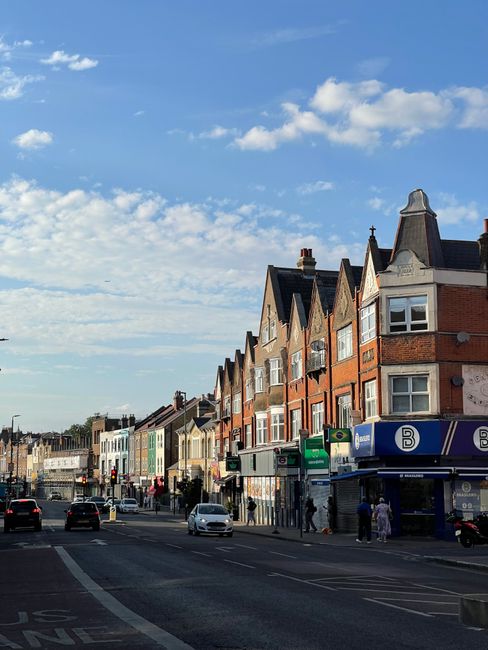
Moving on Ferry Road in TW11 can feel straightforward on paper, then suddenly the van is at an awkward angle, a neighbour's car is half the width you need, and the sofa looks one inch too wide for the doorway. That is exactly why a Ferry Road TW11 removals guide for tight streets matters. It is not just about lifting boxes. It is about planning access, reducing delays, protecting furniture, and making sure the move runs calmly in a street where every turn, kerb, and parked car seems to count.
This guide walks through the practical side of moving in a narrow residential road: what to expect, how to prepare, which vehicle size makes sense, and how to avoid the classic last-minute scramble. If you are comparing options, services such as man and van support, flat removals, and home moves can be especially useful when access is awkward and timing matters.
Truth be told, tight streets do not reward guesswork. They reward preparation.
Contents
- Why Ferry Road TW11 removals guide for tight streets matters
- How Ferry Road TW11 removals guide for tight streets works
- Key benefits and practical advantages
- Who this is for and when it makes sense
- Step-by-step guidance
- Expert tips for better results
- Common mistakes to avoid
- Tools, resources and recommendations
- Law, compliance, standards, or best practice
- Options, methods, or comparison table
- Case study or real-world example
- Practical checklist
- Conclusion
- Frequently asked questions
Why Ferry Road TW11 removals guide for tight streets Matters
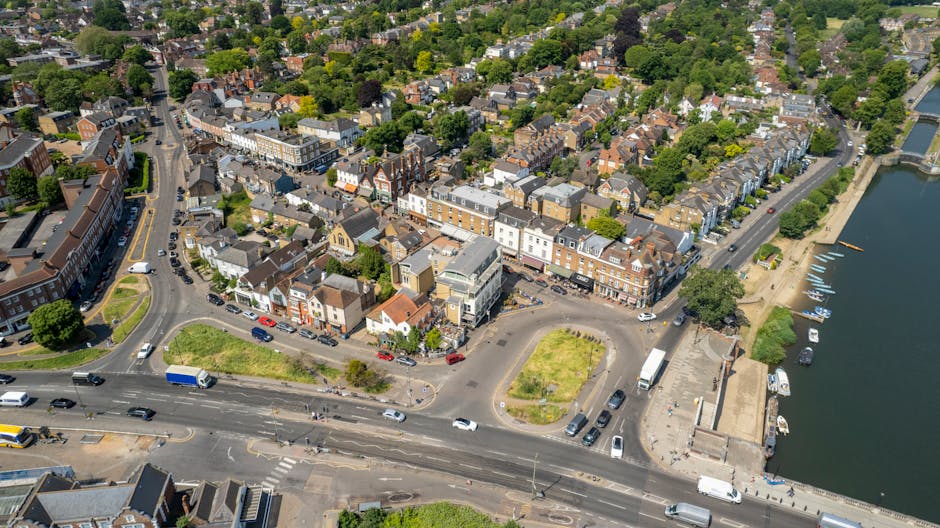
Tight streets change the whole shape of a move. On a road like Ferry Road, space can be limited by parked cars, low branches, passing traffic, narrow pavements, and neighbours who still need access while you are loading. That means the usual "turn up with a van and get on with it" approach can waste time fast.
Here is the big issue: if the vehicle cannot get close enough, the carrying distance grows. And once that happens, the risk rises too. More steps. More bends. More chances to nick a wall, scratch a chest of drawers, or strain someone's back. Even a simple move starts to feel like a little logistics puzzle.
For that reason, a local removals plan should be built around access, not just volume. A good plan also considers whether you are moving from a flat, a terraced house, or a mixed-use property with shared entrances. In some cases, house removals or house removalists are more suitable than a generic "big truck and hope for the best" approach.
There is also a neighbourly side to this. On tighter roads, one badly timed arrival can block bins, deliveries, or another resident's car. A considerate move keeps everyone happier, and that matters more than people sometimes admit.
Expert summary: On narrow TW11 streets, the real difference is not brute force. It is access planning, sensible vehicle choice, and short, well-timed carrying routes.
How Ferry Road TW11 removals guide for tight streets Works
The basic process is simple, but the details matter. First, you assess the access at both ends of the move. Then you choose the right vehicle, the right team size, and the right time window. Finally, you prepare the property so loading and unloading can happen with as few obstacles as possible.
A practical removals guide for tight streets usually follows this pattern:
- Check access first. Measure the hallway, stairs, front path, and any turning points. If you can, note where the van is likely to stop.
- Match the vehicle to the street. A smaller removal van or man with van setup may fit the road better than a larger vehicle.
- Pack for carry distance. Use secure boxes, manageable weights, and clear labels so items can move quickly once they are lifted.
- Protect the route. Door frames, bannisters, and tight corners deserve extra care. A few minutes with covers or blankets can save a lot of grief.
- Load in the right order. Heavy and sturdy items first, fragile pieces later, and the most awkward furniture positioned so it can come off without a reshuffle.
If your move is more urgent than planned, you may also want the flexibility of same-day removals. That can be useful when keys are late, completion times slip, or a lease handover gets compressed into one frantic afternoon. Happens more often than people like, to be fair.
The key is not speed for its own sake. It is controlled speed. There is a difference.
Key Benefits and Practical Advantages
Doing a tight-street move properly brings benefits you can feel immediately on the day. Less stress, fewer back-and-forth trips, and a lower chance of something being damaged because the team had to improvise around a parked car or a narrow gap.
- Less physical strain: Shorter, clearer carrying routes reduce the amount of lifting and turning.
- Better time control: A right-sized vehicle and a sensible load plan usually mean fewer delays.
- Lower damage risk: Furniture, walls, floors, and handrails are easier to protect when everyone knows the route.
- Cleaner coordination: Neighbours, building access, and loading points are easier to manage in advance.
- More predictable costs: A move that runs smoothly is less likely to overrun on labour time or require extra trips.
There is another benefit people often overlook: peace of mind. Moving is noisy enough already. The clatter of box tape, the thud of a wardrobe on a blanket, the low rumble of the van outside - none of that feels quite so overwhelming when the plan is clear and the route is manageable.
If you are moving a full household, combining packing and boxes with a well-timed removals service can make a real difference. The move feels less like a pile of tasks and more like one joined-up process.
Who This Is For and When It Makes Sense
This guide is for anyone moving on or near Ferry Road TW11 where the street layout is cramped, turning space is limited, or parking is likely to be a puzzle. That could be a family home, a flat, a student move, or a small office that needs to shift out without annoying half the road.
It is especially relevant if you:
- have large furniture that needs careful manoeuvring
- live in a terraced house or upper-floor flat
- expect a narrow loading point or limited stopping space
- need to move at a fixed time because of keys, handover, or tenancy deadlines
- want to avoid multiple trips because parking is awkward
For smaller loads, a service like man with a van may be enough. For larger homes or more complex moves, a broader removal services package can be the better call. Offices have their own set of headaches, naturally, which is where office removals or commercial moves become more appropriate.
If you are staring at a staircase and wondering how on earth a wardrobe is going to make it down, you are already in the right kind of problem-solving mindset. That is half the battle, honestly.
Step-by-Step Guidance
Here is a practical way to organise a move on a tight street without losing the plot halfway through.
- Survey the road and the property. Note pinch points, parking pressure, and any awkward bends or kerbs. Do this in daylight if possible, because tiny details matter.
- Decide what needs special handling. Bulky sofas, mirrors, pianos, glass tables, and awkward wardrobes should be flagged early. A specialist service such as piano removals can be essential for heavy or delicate items.
- Choose the right packing approach. Use smaller boxes for books, reinforce bottoms, and label by room so unloading stays efficient.
- Reserve space mentally, even if not formally. In a tight road, the loader needs a clear access plan. Think about where the van can stop without blocking everyone.
- Prepare the route inside the property. Remove loose rugs, open internal doors, and protect corners. A few minutes here saves a lot later.
- Load logically. Keep essential items separate. Put anything fragile where it will not be crushed or jammed against a hard edge.
- Unload with the destination in mind. Boxes should go to the correct room, not land in a single anxious pile in the hallway.
If you are using flat removals, the order of operations becomes even more important because stairs, landings, and entrances can slow everything down. On a tight road, that little delay at the front door multiplies quickly.
A small but useful habit: keep kettle, phone charger, and a bag of essentials with you. You will thank yourself around 7pm when the tape has vanished into thin air, as tape always does.
Expert Tips for Better Results
In our experience, the smoothest moves on narrow streets are the ones where people think ahead by one step, not ten. That sounds obvious, but it is where most plans go wrong.
- Go lighter on box weight than you think. A box that is easy to carry on a driveway can feel twice as awkward on stairs or over a kerb.
- Leave headroom for delays. Tight streets often create small waiting periods. Build that into your timing rather than hoping for perfect flow.
- Measure the awkward item, not just the room. Sofas, wardrobes, and mattresses are the usual troublemakers. Measure the corners too.
- Use protective materials early. Blankets, wrap, and floor protection are far cheaper than fixing chips and scuffs later.
- Keep one person in charge of communication. Too many instructions shouted from different doorways gets messy quickly.
If access is especially tight, the best answer may be a smaller van plus a very organised load rather than a larger truck. A moving truck can still be useful for larger loads, but only if the street can actually accommodate it without causing an obstruction headache.
And yes, sometimes a move feels a bit like playing Tetris with furniture. Not glamorous. But strangely satisfying when it works.
Common Mistakes to Avoid
Most problems on tight streets are preventable. The tricky bit is that the mistake usually looks harmless at the start. "We'll just see how it goes" sounds relaxed, until the van is circling for a parking space and everyone is already sweating.
- Underestimating parking pressure. If the van cannot stop close enough, the whole day slows down.
- Packing boxes too heavy. Heavy boxes are slow, awkward, and risky on stairs.
- Ignoring the stairwell. Many people measure rooms but forget the route through the building.
- Leaving dismantling too late. Beds, tables, and wardrobes that are still assembled on moving morning can create a bottleneck.
- Not flagging special items. A piano, antique mirror, or fragile cabinet needs more than a general lifting approach.
Another one: forgetting to tell neighbours or building management about the move. Even a simple heads-up can reduce friction. It does not need to be dramatic. Just considerate.
Finally, do not assume every removal company handles narrow-access jobs the same way. Some are better set up for complex streets, while others are more efficient on straightforward runs. That is why it helps to compare the service shape as much as the headline price.
Tools, Resources and Recommendations
You do not need a warehouse of specialist gear to move well, but a few practical items make life much easier.
| Item or resource | Why it helps on tight streets | Best use |
|---|---|---|
| Strong moving boxes | Protects contents and stacks more safely in a van | Books, kitchenware, clothes, mixed household items |
| Furniture covers and blankets | Reduces scuffs in narrow hallways and doorways | Wardrobes, sofas, tables, white goods |
| Labels and tape | Speeds up unloading and keeps rooms organised | Every box, ideally before moving day |
| Pre-move dismantling tools | Helps large items pass through tighter gaps | Beds, flat-pack furniture, modular shelving |
| Short access plan | Clarifies where the van stops and how items travel | Any street with limited kerbside space |
If you want to reduce chaos, support services can be worth it. Packing and unpacking services help with the prep side, while storage can be useful if completion timings do not line up neatly or you need to split the move over a few days.
For people who want an idea of costs before committing, pricing and quotes is a sensible place to start. And if you care about how items are handled, the company's insurance and safety information should always be worth reading before the moving date arrives.
Law, Compliance, Standards, or Best Practice
For moves on narrow residential streets, the most relevant standards are usually practical rather than dramatic: safe lifting, sensible loading, proper vehicle control, and respect for access. In the UK, removal work should follow normal health and safety expectations, including risk awareness around lifting, carrying, slips, trips, and vehicle movement.
You do not need to turn the whole move into a legal project, but you should expect a professional mover to take basic safety seriously. That means using suitable equipment, not overloading staff, protecting property, and being honest if access conditions make a job more complicated than first thought.
It is also good practice to check terms before booking, especially where delays, waiting time, or restricted access might affect the move. A clear understanding upfront is better than a tense phone call on moving day. Nobody enjoys that call. Nobody.
If the move involves business premises, office stock, or shared premises, the bar is a little higher again. Coordination, timing, and site rules become part of the job. That is why office relocation services can be more appropriate than a general household move for commercial jobs.
For people who value responsible practice, recycling and sustainability may also matter, especially if the move involves unwanted furniture or packing materials that should be reduced or reused where possible.
Options, Methods, or Comparison Table
Not every move on a tight street needs the same setup. The right choice depends on load size, access, and how much help you want on the day.
| Option | Best for | Strengths | Trade-offs |
|---|---|---|---|
| Man with a van | Smaller homes, student loads, light flat moves | Flexible, often easier on narrow streets, quick to arrange | Less suited to very large or fragile loads |
| Full removal service | Family homes, larger flats, more furniture | More labour, better coordination, smoother heavy-item handling | Usually higher cost than a simple van-only move |
| Removal van only | Compact moves with good packing discipline | Good fit for tight access, efficient for small-volume moves | Requires you to do more prep yourself |
| Truck hire | Larger loads where access allows | More space, fewer trips | Can be awkward on narrow roads if not carefully planned |
| Storage plus staged move | Timing gaps or complex handovers | Reduces pressure on moving day | Needs extra planning and possibly extra cost |
If your move is a student one or a smaller relocation, it may make sense to compare student removals with a simpler van-based approach. The right answer is often the least complicated one that still fits the street.
Case Study or Real-World Example
Picture a typical Friday move on Ferry Road. A couple is leaving a two-bedroom flat with a sofa, bed frames, six decent-sized boxes of books, a dining table, and the kind of kitchen drawer full of things nobody remembers buying until it is time to pack them. The road is already partly occupied with parked cars, and the front entrance has a narrow path with a tight turn at the gate.
Instead of sending in a large vehicle and hoping the best, the move is broken into smaller decisions. The heaviest furniture is dismantled the night before. Boxes are labelled by room. Fragile items are packed separately. A smaller van is used so it can stop closer to the property without causing a fuss. One team member handles the route, another handles loading, and the couple keeps one box aside with kettle, chargers, and bedding.
What changes? Not magic. Just fewer surprises. The sofa fits through because it has been measured properly. The stair turns are protected. The loading run is short enough that nobody is exhausted by the time the last item goes in. The move still feels like a move - a bit noisy, a bit dusty, mildly chaotic, because of course it does - but it finishes in control rather than in panic.
That is the real goal on a narrow street: not a perfect day, just a calm one.
Practical Checklist
Use this before moving day. It is simple, but simple is useful.
- Check the street access at both properties
- Measure the largest furniture pieces
- Confirm whether stairs, landings, or tight corners need extra care
- Choose a vehicle size that suits the road
- Pack heavy items into smaller boxes
- Label boxes by room and priority
- Separate essentials for the first night
- Protect door frames, floors, and bannisters
- Tell neighbours or building contacts if needed
- Keep phone numbers and key times easy to reach
- Check payment and booking details in advance
- Have a backup plan if access is unexpectedly blocked
If you are still choosing a provider, it may help to review removal companies against your own access needs rather than just the headline price. The cheapest quote is not always the calmest day, and let's be honest, calm is worth something.
Get a free quote today and see how much you can save.
Conclusion
A move on Ferry Road TW11 does not have to be difficult, even if the street is tight. The trick is to treat access as the main issue, not an afterthought. Once you match the vehicle, packing, timing, and lifting plan to the reality of the road, the whole day becomes more manageable.
That is what this guide is really about: reducing pressure, avoiding damage, and keeping the moving day feeling organised instead of rushed. If you prepare well, even a narrow street can be handled smoothly. It may still be a bit noisy. It may still involve a few awkward angles. But it can be a good move - and sometimes that is exactly enough.
And when the last box is inside and the door finally closes, you get that small quiet moment before the unpacking begins. That moment matters.
Frequently Asked Questions
What makes Ferry Road TW11 difficult for removals?
Tight parking, narrow access, and limited turning space can make loading and unloading slower. The main challenge is usually getting a vehicle close enough without blocking traffic or neighbours.
Is a van better than a larger truck for narrow streets?
Often, yes. A smaller van can be easier to position on a tight road and may reduce carrying distance. A larger truck is only worth it if the street and parking situation genuinely allow it.
How do I know if my furniture will fit through the hallway?
Measure the widest item and compare it with the narrowest points on the route, including corners, stair turns, and the front door. If something looks borderline, dismantling it early is usually the safer option.
Should I pack everything before the removals team arrives?
Yes, ideally. Fully packed and clearly labelled boxes save time and reduce confusion. If you need help, packing and boxes support can make the process much easier.
What if the road is blocked by parked cars on moving day?
That is exactly why access planning matters. A good move plan allows for a longer carry if needed, but it is better to have a smaller vehicle and a clearer loading point from the start.
Can I arrange a move at short notice?
Sometimes, yes. Short-notice moves are often possible when schedules allow, and same-day removals may help if timing becomes tight.
Are flat moves different from house moves on tight streets?
Yes, usually. Flats can involve extra stairs, shared entrances, and more carrying time. That is why flat removals often need a slightly different approach from standard house moves.
How can I protect walls and doorways in a narrow property?
Use blankets, covers, and careful route planning. Protecting the route is especially important where door frames and corners are close together, because small knocks happen quickly in tight spaces.
What should I do with items I do not want to move?
Sort them before moving day if possible. Some furniture may be better dealt with separately through furniture removals or furniture pick up, depending on condition and what you need cleared.
Is storage useful for a move on Ferry Road?
It can be, especially if completion times do not line up or you need to reduce the volume of items going through a tight access point on the day. Storage gives you more breathing room.
How far in advance should I book removals?
As soon as you know your moving date, ideally. Tight streets often need a little more planning than average, and booking early gives you better odds of getting the vehicle and time slot that suit your move.
Where can I check pricing and what is included?
Look at pricing and quotes and make sure you understand what the service covers, especially if access is tight or if you may need extra handling time.
What if I am moving an office or business equipment instead of a home?
Then the priorities shift slightly toward timing, coordination, and minimising disruption. Office relocation services are usually a better fit than a standard household move.